
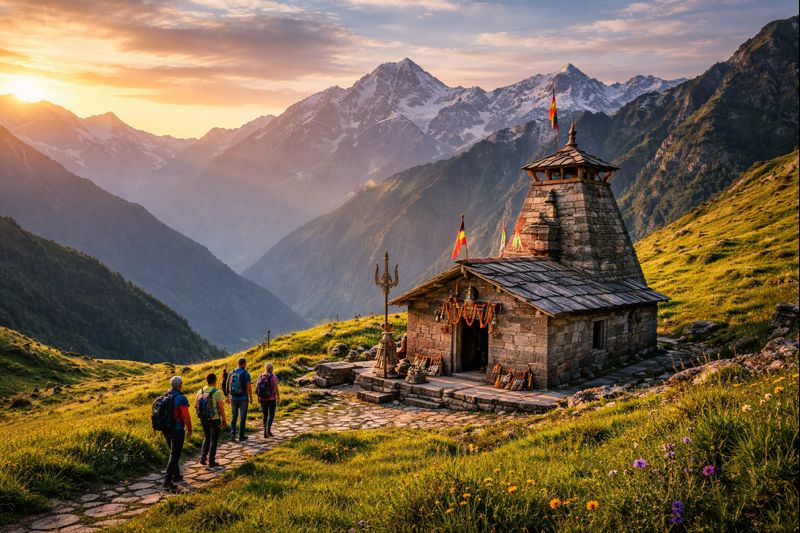
Rudranath Temple Darshan Guide Timings, Entry Fee, Online Booking
Welcome to the essential travel guide for Rudranath Temple Darshan, one of the most revered pilgrimages nestled in the Garhwal Himalayas of Uttarakhand, India. This article covers everything you need for your spiritual trek: timings, entry fee details, booking steps, how to reach, insider tips from personal visit experience, and nearby attractions that make this pilgrimage unforgettable. Whether you are a first-time visitor or planning another process, this guide equips you with actionable information you can rely on.
Key Information at a Glance
- Timings: visitor or planning another process, this guide equips you with actionable infor
- Entry/Ticket: details, booking steps, how to reach, insider tips from personal visit experienc
- Contact: the operator early (especially for peak season May–September) to confirm openi
Quick Facts
| Detail | Information |
|---|---|
| Temple Name | Rudranath Temple |
| Location | Chamoli District, Uttarakhand, India |
| Altitude | Approx. 2,286 m above sea level |
| Darshan Timings | Morning Aarti: 8:00 AM; Evening Aarti: 6:30 PM; Daylight darshan hours during open season |
| Opening Season | Mid-May to Mid-October (varies by year) |
| Entry Fee | Free (no official entry fee reported; trek and guide costs separate) |
| Online Booking | Not available via a central temple site; trekking agencies help permits |
| Nearest Railhead | Rishikesh Railway Station – ~241 km |
| Nearest Airport | Jolly Grant Airport, Dehradun – ~258 km |
About Rudranath Temple
Rudranath Temple is one of the five sacred Panch Kedar shrines dedicated to Lord Shiva and is believed to be the place where the face of Shiva manifested before the Pandavas after the Mahabharata war. The trail to Rudranath is famed for its scenic beauty, passing through meadows, dense forests, and high-altitude landscapes. Pilgrims who complete this process often call it a rite of devotion as much as a spiritual adventure. You can find reliable historical and pilgrimage context on Wikipedia’s Panch Kedar page which details the legend and place of Rudranath among the five sacred shrines.
How To Reach Rudranath Temple
By Air
The closest major airport is Jolly Grant Airport, Dehradun (DED), approximately 258 km from Sagar village (the trek base). From the airport, you can hire a taxi or take a shared cab to Gopeshwar. I personally found the road process from Dehradun through the Himalayas breathtaking, especially when sunrise paints the peaks as you ascend toward Chamoli district. Understanding rudranath temple darshan is essential. This relates to rudranath temple darshan timings.
By Train
The nearest significant railhead is Rishikesh Railway Station, about 241 km from the Rudranath trek base. Frequent trains connect Rishikesh to major Indian cities. From Rishikesh, buses or taxis will take you to Gopeshwar or Sagar village (starting point for the trek). On my visit, the ride from Rishikesh offered views of flowing rivers and changing terrain — a reminder that this trek process begins long before the actual hike.
By Road
From major North Indian cities like Delhi, Haridwar, or Dehradun, you can take state buses or private taxis toward Chamoli district. The road portion ends at Sagar village, where you begin the trek to Rudranath. Roads can be narrow and winding; during monsoon, landslides may delay travel. Planning with local transport services is essential during peak season.
Trek To Rudranath Temple
Unlike many Himalayan temples reachable by road, Rudranath demands a trekking effort. Three common routes start from Sagar, Helang, or Mandal villages. The trek varies between 18–30 km one way depending on your starting point and chosen path. This relates to rudranath temple darshan. This relates to rudranath temple darshan timings.
On the other hand, i took the Sagar route and found it moderately challenging — steep ascents and rocky paths interspersed with lush rhododendron forests. Trek distances and trail details differ by guide service, so consult a local trek operator for specifics.
Booking And Ticket Information
There is no centralized “temple booking” portal like for Char Dham (e.g., TTD Official Website for Tirumala). Rudranath does not charge a formal entry fee at the temple gates, but pilgrimage and trek access often involve permits and guide costs that trekking agencies or local authorities coordinate. Here’s how to proceed:
Step-By-Step Trek/Permit Booking
- Choose a reputable trekking operator registered with the Uttarakhand tourism board; many local operators can arrange permits, guides, and camping logistics.
- Contact the operator early (especially for peak season May–September) to confirm opening dates — often announced each year in April/May by local temple committees. For example, in 2026 the temple opened on 18 May and closed on 17 October.
- Submit required personal information (photo ID, emergency contact) for forest and trekking permits if requested by the operator or authorities.
- Pay trek/guide fees as agreed; these cover guide charges, porters (if used), and any vehicle transfers to base points like Sagar.
- Arrive at the trailhead on the scheduled date with appropriate gear, permits, and local contact info.
I recommend confirming cancellation and weather contingency policies when booking, as Himalayan weather changes can impact the trek schedule. Learn more about rudranath temple darshan. This relates to rudranath temple darshan timings.
Temple Timings And Darshan Etiquette
The daily schedule of Rudranath Temple darshan revolves around aarti timings rather than an official gate opening and closing. Most local guides follow these rituals:
- Morning Aarti: Around 8:00 AM
- Evening Aarti: Around 6:30 PM
- Darshan: Generally available during daylight hours between aartis
Photography and respectful behavior is expected. Dress modestly, carry biodegradable items only, and follow local guidance to protect the fragile Himalayan ecosystem.
Insider Tips From My Visit
When I visited Rudranath, what surprised me most was the sudden shift from dense alpine forest to expansive meadows (bugyals) near Panar — a place where the trail momentarily opens to breathtaking Himalayan panoramas. Plan to reach these meadows early in the morning for crisp views and fresh light for photography. This relates to rudranath temple darshan timings.
I personally recommend acclimatizing a day in Gopeshwar or Sagar village before starting the trek. Even if you feel fit, your body will thank you for gradual altitude gain since Rudranath sits high in the Himalayas.
Carry snacks, electrolytes, and waterproof gear — mountain weather can shift quickly. Cell service may be patchy; offline maps and a physical topographic map are helpful.
Best Time To Visit
The temple opens seasonally due to winter snows that block trails. Based on official announcements and trekking reports: This relates to rudranath temple darshan timings.
- Opening Season: Mid-May to Mid-October (e.g., 18 May to 17 October in 2026)
- Peak Weather: May–June and September–October are ideal — clear views, mild temperatures, and safer trekking conditions.
Avoid monsoon peak (mid-July–August) if possible; heavy rains can make paths slippery and increase landslide risk. Winter is inaccessible due to deep snow.
Nearby Attractions And Distances
Pair your Rudranath pilgrimage with these nearby sites for enriching travel:
- Kedarnath Temple: One of the most sacred Jyotirlinga shrines; it’s part of Panch Kedar but requires a separate trek from Gaurikund. (~100 km+ from Rudranath region center)
- Tungnath Temple: World’s highest Shiva temple; trek from Chopta (~65 km by road from Sagar region).
- Panar Bugyal: Meadows en route to Rudranath known for camping and sunrise views — just a few kilometers from the temple trail.
- Kalpeshwar Temple: Another Panch Kedar temple reachable by road followed by a short walk from Urgam village (~50 km from Sagar).
- Valley Of Flowers National Park: A UNESCO site with dramatic alpine flora; best in monsoon/post-monsoon, though less connected directly to the Rudranath path.
FAQs
Is there an entry fee for Rudranath Temple?
There is no official temple entry fee reported. Trekking permits and guide costs are separate and arranged by trekking operators. This relates to rudranath temple darshan timings.
Can I book Rudranath darshan online?
No central online booking portal exists for Rudranath Temple darshan. Permits and arrangements are typically made via registered local trekking agencies and forest department permissions.
How difficult is the trek to Rudranath?
The trek is moderately challenging, involving steep climbs and rocky terrain. Prior trekking experience and good fitness help significantly. Start from Sagar or Helang village as per your guide’s recommendation.
When does Rudranath Temple open in 2026?
Tentative opening reported around 18 May 2026, with closure around mid-October due to winter conditions. This relates to rudranath temple darshan timings.
Is there accommodation near Rudranath Temple?
Basic accommodation exists in Sagar and Gopeshwar villages. On the trek path, camping with tents is common. Facilities near the temple itself are limited.
Do local guides provide food and equipment?
Many trekking operators include guide services, meals, and camping gear in packages. Confirm details beforehand.
For authoritative information about Rudranath’s place in the Panch Kedar tradition, you can refer to Wikipedia’s Panch Kedar overview. This relates to rudranath temple darshan timings.
Important Tips for Visitors
- Carry a valid ID proof — some temples require it for special darshan or accommodation booking.
- Visit during weekdays for shorter queues. Weekends and festival days see significantly higher footfall.
- Arrive early morning for a peaceful darshan experience — most temples are less crowded before 8 AM.
- Wear modest, traditional clothing — most temples require covered shoulders and knees.
Official Resources

V S Anantha Sharma is a Senior Content Researcher at Go Kshetra with over 20 years of experience in Indian archaeology, temple architecture, and Hindu pilgrimage traditions. A lifelong devotee and...
Go Kshetra covers 1,600+ Hindu temples across 28 states. Content sourced from official temple websites and first-hand visits. About our editorial process