
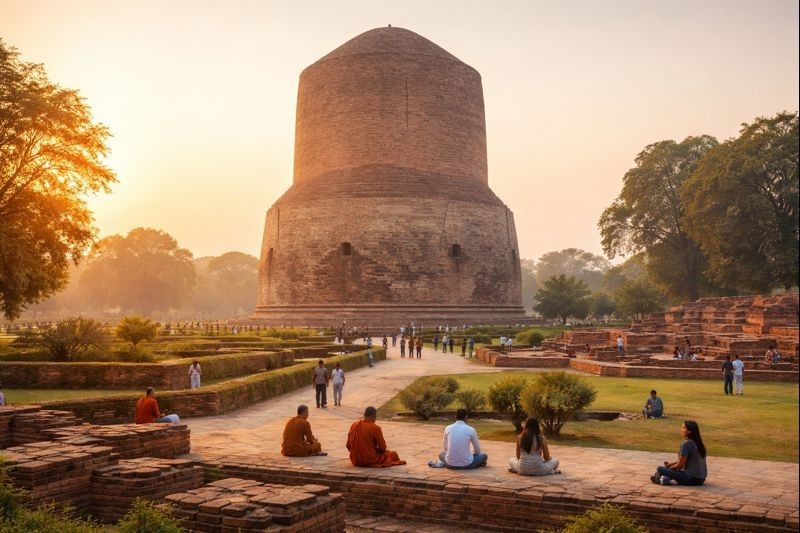
Dhamekh Stupa Sarnath Visiting Guide: Complete Info & Tips
Dhamekh Stupa Sarnath Visiting is a transformative experience for history buffs, Buddhist pilgrims, and culture seekers alike. The Dhamekh Stupa in Sarnath marks the sacred spot where Lord Buddha delivered his first sermon after attaining enlightenment. This guide will walk you through everything you need to know before, during, and after your visit, based on verified facts, official site information, and personal insights from my own trip.
Key Information at a Glance
- Timings: And Hours For Dhamekh Stupa Sarnath Visiting The Dhamekh Stupa is open to visito
- Entry/Ticket: is very affordable
- Location: where Buddha gave his first teaching on the “Turning of the Wheel of Dharma”
Additionally, for factual reference, you can check the authoritative details on the Dhamek Stupa Wikipedia page and the Uttar Pradesh official tourism page about Sarnath UP Tourism Sarnath Info.
Where Dhamekh Stupa Is And Why It Matters
The Dhamekh Stupa sits within the archaeological remains of Sarnath, near Varanasi in Uttar Pradesh, India. It is among the most important Buddhist pilgrimage sites in the world. The monument commemorates the location where Buddha gave his first teaching on the “Turning of the Wheel of Dharma” to his first five disciples after enlightenment, which eventually led to the formation of the Buddhist Sangha. Understanding Dhamekh Stupa Sarnath Visiting is essential.
Moreover, standing 43–44 meters tall with a diameter of about 28 meters, the stupa’s stone and brick structure blends Mauryan and Gupta-period craftsmanship. The detailed carvings and architectural design still draw scholars and visitors alike who seek to connect with Buddhist heritage.
On the other hand, when I visited, what struck me most was the scale — up close, the complex carvings and the silent energy of the site create a profound sense of reflection that photos can’t capture.
Best Time And Hours For Dhamekh Stupa Sarnath Visiting
The Dhamekh Stupa is open to visitors daily during daylight hours. Most sources list the generally accepted opening hours as from around 6:00 AM to 6:00 PM, though a few list slightly earlier or later closing times depending on the season. This relates to Dhamekh Stupa Sarnath Visiting.
However, it’s wise to get there early in the morning for softer light and fewer crowds. When I arrived around 7:00 AM, the gentle morning sun bathed the stupa’s stone carvings in a warm glow — ideal for photos and reflective walks around the site.
Here’s a quick view of typical timings:
| Opening Hours | Notes |
|---|---|
| 6:00 AM – 6:00 PM | Most common daily schedule for the site and archaeological complex |
| Sunrise to Sunset | Broad guidance from official tourism sources |
Tips: Learn more about Dhamekh Stupa Sarnath Visiting.
- Arrive by around 6:30–7:00 AM for quiet exploration and better photos.
- Late afternoon light (4:00–6:00 PM) also offers serene ambiance but can be slightly warmer.
Entry Fees, Tickets, And Booking
Unlike some modern attractions, Dhamekh Stupa’s entry fee is very affordable. Various ticketing sources and local tourism websites list differing ticket rates, but most converge on a similar range:
| Ticket Type | Price (Approx) |
|---|---|
| Indian Citizen | ₹20–₹25 |
| Foreign Tourist | ₹100–₹300 |
| Children (below 15) | Usually Free |
Combination tickets that include the Sarnath Archaeological Museum often offer better value. For example, one source lists a combo ticket at approximately ₹20 for Indians and ₹250 for foreigners covering both the Dhamekh Stupa and the museum.
Tip: Booking on-site is generally fine, but scanning a QR code at the gate can speed up entry, especially during peak seasons. While advance tickets aren’t strictly required, planning ahead during holidays and festival periods (like Buddha Purnima) is advisable.
How To Reach Dhamekh Stupa
Reaching Dhamekh Stupa is straightforward owing to its proximity to Varanasi and good transport links:
- By Air: The nearest airport is Lal Bahadur Shastri International Airport (about 25 km from Sarnath).
- By Train: Varanasi Junction is the closest major railway station (~9 km away).
- By Road: Sarnath is well-connected via local buses, taxis, and auto-rickshaws from Varanasi and nearby cities.
From the entrance of the archaeological site, it’s a short, scenic walk to the stupa through well-maintained gardens and paths. When I took the auto from Varanasi Junction, the driver dropped me at the main Sarnath complex entrance followed by a pleasant 10-minute walk inside.
What To Expect Inside The Site
The Dhamekh Stupa stands amidst ruins that include smaller stupas, temple foundations, and remnants of monastic structures. The overall archaeological complex spans a tranquil garden setting that supports reflective walks. Many visitors take time to walk clockwise around the stupa as a part of pilgrimage tradition.
Furthermore, distances and durations to expect:
- Walking from the entrance to the stupa: ~5–10 minutes
- Suggested time at the stupa: at least 45–60 minutes (including photos & quiet meditation)
- Total time for Sarnath site (with museum): 3–4 hours recommended if exploring deeply
I personally recommend spending time in the shaded garden areas around the stupa before exiting — it gives a gentle transition from sensory experience to calm reflection.
Tips For A Better Visit
- Start early: Cooler temperatures and fewer tourists improve walking comfort and photography.
- Carry water: There are basic facilities, but it’s best to have your own bottle especially in warmer months.
- Respect silence: This is a place of worship and reflection for many visitors.
- Wear comfortable shoes: The archaeological grounds involve gravel paths and walking.
- Combine with nearby sites: The Sarnath Archaeological Museum and Mulagandha Kuti Vihar are worth visiting on the same trip.
Common Mistakes To Avoid
- Not planning around the hot midday sun (especially April–June): visit early or late.
- Assuming museum access is included — it may be separate unless you buy a combo ticket.
- Not checking closure days for parts of the complex (e.g., museum often closes on Fridays).
- Skipping ticket options that include multiple attractions — these are often better value.
Frequently Asked Questions About Dhamekh Stupa Sarnath Visiting
What Is The Best Time Of Year To Visit?
The cooler months from October to March offer pleasant weather around 10–25°C and make walking and exploring more enjoyable. Avoid peak summer heat (April–June) if possible.
Can I Visit On Weekends And Holidays?
Yes. The site remains open daily, including weekends and most holidays. However, crowds can be heavier on weekends, so plan for earlier arrival.
Is Photography Allowed At The Dhamekh Stupa?
Yes, photography is permitted on the outdoor grounds. Be mindful of other visitors and rituals. No flash or tripods if crowds are present.
Are Guided Tours Available?
Yes. Licensed ASI guides can be found near the entrance; fees are optional (often ₹200–₹500). They offer rich historical insights and context that improve your visit.
How Long Should I Spend At The Site?
Budget at least 1–2 hours for Dhamekh Stupa and surrounding ruins, plus an additional hour or more if visiting the Sarnath Museum and temples.
My Final Thoughts On Dhamekh Stupa Sarnath Visiting
When I visited Dhamekh Stupa, the stillness of Deer Park and the engraved stonework under the early sun made it a memorable experience. This place isn’t just a monument — it’s a link to centuries of spiritual history that continues to resonate with visitors from around the world.
If you follow the practical insights and tips here, your visit will be smoother, richer, and more meaningful. I personally recommend planning at least half a day for Sarnath so you can explore without rushing.
Important Tips for Visitors
- Carry a valid ID proof — some temples require it for special darshan or accommodation booking.
- Remove footwear before entering the temple premises. Shoe storage is usually available near the entrance.
- Visit during weekdays for shorter queues. Weekends and festival days see significantly higher footfall.
- Photography may be restricted inside the main sanctum. Check with temple authorities before clicking pictures.
Official Resources

V S Anantha Sharma is a Senior Content Researcher at Go Kshetra with over 20 years of experience in Indian archaeology, temple architecture, and Hindu pilgrimage traditions. A lifelong devotee and...
Go Kshetra covers 1,600+ Hindu temples across 28 states. Content sourced from official temple websites and first-hand visits. About our editorial process