Hemis Monastery Visiting Guide: Best Tips For Your Trip
Hemis Monastery Visiting is one of the most sought-after cultural experiences in Ladakh, India — known for its breathtaking Himalayan setting, centuries-old Buddhist traditions, and the vibrant Hemis Festival that draws visitors from around the world. Situated about 45 km southeast of Leh, Hemis Monastery is a spiritual landmark of the Drukpa lineage of Tibetan Buddhism and offers an unforgettable blend of history, architecture, and cultural immersion.
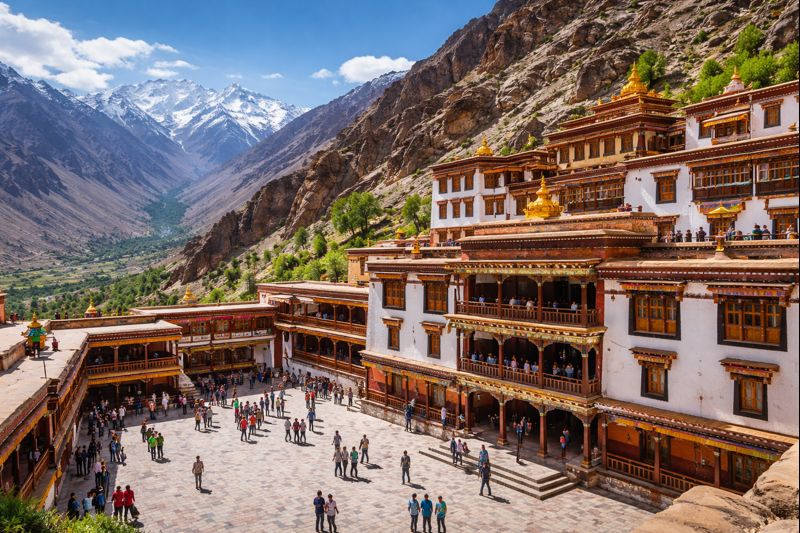
In contrast, when I visited Hemis, I was struck by the silence of the mountains and the vibrant colors of the gompa walls against the stark desert landscape. If you’re planning your own Hemis Monastery Visiting trip, this guide will help you plan smartly, avoid common mistakes, and enjoy every moment of your visit.
About Hemis Monastery
Hemis Monastery, locally known as Hemis Gompa, is the largest and wealthiest Buddhist monastery in the Ladakh region. It was re-established in 1672 by the Ladakhi king Sengge Namgyal on the bank of the Indus River. The monastery belongs to the Drukpa Lineage of Tibetan Buddhism and serves as a major spiritual center in northern India.
The monastery’s history is rich with centuries-old traditions, and its museum houses priceless artifacts, thankas (Tibetan scroll paintings), and ancient scriptures. Hemis Monastery is also famous for hosting the annual Hemis Festival (Hemis Tsechu), a vibrant celebration featuring ritual mask dances and religious ceremonies.
How To Reach Hemis Monastery
Reaching Hemis Monastery is relatively straightforward, though the high altitude calls for careful planning and acclimatization. Here are the main ways to get there:
By Air
The closest airport is Kushok Bakula Rimpochee Airport in Leh, which is well connected with major Indian cities such as New Delhi and Srinagar. From the airport, Hemis is about a 1 to 1.5-hour drive (approximately 45 km).
By Road
Leh is the road gateway to Hemis. You can hire a taxi or rent a bike/car in Leh to drive to the monastery. The scenic route along the Indus River adds to the experience, with views of the stark, rugged mountains throughout the drive.
By Public Transport
Local buses and shared cabs operate between Leh and Hemis village, though schedules can be limited and infrequent. Booking a private taxi is usually a more reliable option if you want flexibility.
Best Time To Visit Hemis Monastery
Timing your Hemis Monastery Visiting trip right can make a big difference in your overall experience.
Summer (May–September)
This is widely considered the prime time to visit the monastery. The roads are clear, temperatures are moderate, and most tourist services are in full swing. It’s also the best season to combine your visit with treks or other nearby attractions.
Hemis Festival (June/July)
If your trip coincides with the Hemis Festival — typically held in early June according to the Tibetan lunar calendar — you’ll witness spectacular ritual dances, colorful costumes, and cultural performances. I personally recommend planning your trip around this if cultural immersion is your priority.
Winter (October–April)
Winters are harsh due to heavy snowfall and extremely low temperatures. Though the monastery remains open, travel is more challenging. Only come in winter if you’re prepared for cold conditions and limited amenities.
Visiting Hours And Entry Fees
Here’s a quick overview of the practical details for your Hemis Monastery Visiting experience:
| Item | Details |
|---|---|
| Visiting Hours | 8:00 AM – 1:00 PM and 2:00 PM – 6:00 PM (Monastery closes for lunch break) |
| Entry Fee | Approx. INR 50 per person (some sources vary) |
| Best Time To Allocate | 2–3 hours minimum to explore monastery and museum |
Tip: Photography inside some parts of the monastery may incur additional fees or restrictions — always check at the ticket counter. I learned this the hard way when I visited; I wished I’d asked before snapping photos near certain artifacts.
What To See Inside Hemis Monastery
Hemis Monastery is not just a place of worship; it’s a treasure trove of art, history, and spirituality. Plan your visit to cover the key highlights:
Main Assembly Hall
The heart of the monastery, where monks gather for prayers and rituals. The murals, statues, and spiritual objects here are centuries old and reflect deep Buddhist symbolism.
Ancient Thankas and Artifacts Museum
The museum houses an extensive collection of thankas, old manuscripts, ceremonial items, and sculptures. The detail in these artifacts captures the rich cultural history of Ladakh’s Buddhist traditions.
Butter Lamp Room
Watching the glow of hundreds of butter lamps is a magical spiritual experience. This room is quiet and contemplative — perfect for reflection.
Monastic Library
The library holds ancient Buddhist texts. What surprised me most was how carefully these delicate scrolls have been preserved in such extreme high-altitude conditions.
Tips For Hemis Monastery Visiting
- Acclimatize in Leh first: The altitude around Hemis is over 3,500 m. Spend at least one day in Leh to avoid altitude sickness.
- Wear Layers: It can be warm in midday sunlight but freezing in shade or early morning — dress in layers.
- Respect Local Customs: Always ask before taking photos of monks or rituals.
- Carry Cash: ATMs near Hemis are rare; keep some Indian Rupees handy.
- Go Early: Visiting soon after opening helps you avoid midday crowds.
Common Mistakes To Avoid
Even seasoned travelers slip up. Here’s what to avoid during Hemis Monastery Visiting:
- Skipping Acclimatization: Ignoring altitude sickness can ruin your trip. Take time in Leh before heading to Hemis.
- Underestimating Time: Rushing through the monastery and museum leads to missed details; plan at least 2–3 hours.
- Assuming All Areas Are Photo-Friendly: Some sacred spaces restrict photography — always ask locals or staff.
- Not Planning for Weather: Weather in Ladakh is unpredictable — always check forecasts before you go.
Local Food And Stay Options
Hemis village itself has a few guesthouses and homestays, but most visitors choose to stay in Leh and make a day trip to the monastery. This gives you more lodging choices and easier access to restaurants serving local Ladakhi cuisine, like thukpa (noodle soup) and khambir (traditional bread).
If you prefer staying closer, there are a handful of guesthouses near Hemis and in nearby villages, which offer authentic local experiences and stunning mountain views.
Frequently Asked Questions
What Is Hemis Monastery Famous For?
Hemis is famous for being the largest Buddhist monastery in Ladakh, its rich cultural heritage, and the annual Hemis Festival dedicated to Padmasambhava.
How Much Time Should I Spend Visiting?
At least 2–3 hours to explore the main monastery, museum, and courtyard thoroughly.
Is There An Entry Fee For Foreign Tourists?
Yes, some sources mention higher rates for foreign nationals. Always confirm at the ticket counter when you arrive.
Can I Visit During Hemis Festival?
Yes. The festival is free to attend and offers a unique cultural spectacle. Arrive early to secure a good spot for performances.
Are There Guided Tours Available?
Yes, guided tours can enrich your visit with historical and cultural insights. Many local guides are available in Leh.
Therefore, hemis Monastery Visiting isn’t just about sightseeing—it’s about feeling the deep spiritual pulse of Ladakh’s Buddhist heritage. From its soaring walls and sacred halls to the laughter of monks and the quiet hush of prayer, this place stays with you long after you leave.