
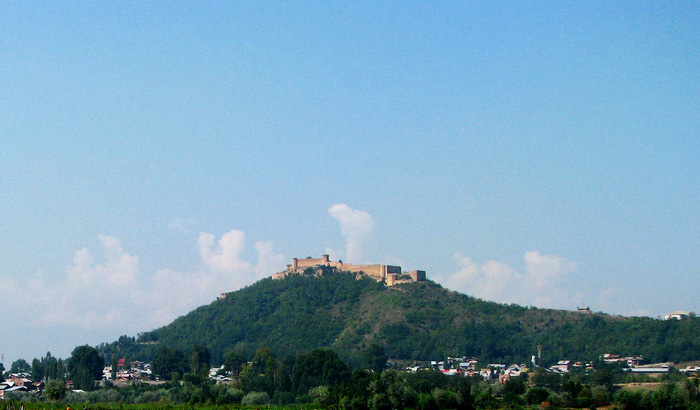
Hari Parbat Srinagar Darshan: Essential Travel Guide
Hari Parbat Srinagar Darshan is a must-do experience when visiting Kashmir’s summer capital. This historic hilltop site in Srinagar hosts ancient fortifications, multi-faith shrines, and breathtaking views over the city and Dal Lake — blending culture, spirituality, and scenic beauty in one place. In this detailed travel guide, you’ll find verified timings, fees, how to reach, booking steps, insider tips from my own visit, nearby attractions, best times to visit, and answers to frequently asked questions. For official information, visit official TTD portal.
Quick Facts
| Item | Details |
|---|---|
| Location | Hari Parbat, Srinagar, Jammu & Kashmir, India |
| Fort Visiting Timings | ~9:30 AM – 5:30 PM (Monday–Saturday); closed Sunday (varies by source) |
| Temple/Shrine Timings | Generally early morning to evening (e.g., Sharika Devi Temple 6:00 AM–8:00 PM) |
| Entry Fee (Fort) | Approx ₹50 per person (Indian adults; foreign tourists may pay higher) |
| Religious Sites Entry | Free (no fee for temples/shrines) |
| Contact/Authority | Srinagar Official Tourism |
About Hari Parbat
Hari Parbat, also known as Koh-e-Maran, rises above Srinagar on the western edge of Dal Lake. The hill’s iconic fort was developed during the Mughal era and later reinforced under Afghan and Dogra rule, making it an important historical landmark. Its strategic location offers panoramic views over the valley. The site houses several sacred structures — a Hindu temple dedicated to Sharika Devi, the shrine of Sufi saint Hamza Makhdoom, and a Sikh Gurdwara marking Guru Har Gobind’s visit.
How To Reach Hari Parbat Srinagar
By Air
The nearest airport is Sheikh ul Alam International Airport (SXR), Srinagar. From the airport, Hari Parbat is about 15–17 km and takes roughly 30–45 minutes by taxi or cab. I found the drive smooth, with views of the valley unfolding as you approach the city. This relates to hari parbat srinagar darshan.
By Train
Srinagar Railway Station (UDZ) is not directly connected by broad gauge yet, though construction progress is ongoing under national infrastructure plans. The nearest broad-gauge stations are Jammu Tawi or Udhampur. From there, take a taxi to Srinagar and then local transport to Hari Parbat.
The rail process through the Himalayan foothills is scenic once complete. (Current railway developments are noted on government infrastructure sites.
By Road
Srinagar is well-linked by road to major hubs like Jammu, Srinagar-Leh Highway, and NH1. Buses, taxis, and private cars reach the city’s core. Hari Parbat is about 5–7 km from Lal Chowk, Srinagar’s central square, and accessible by auto, cab, bike, or local taxi. Roads are well-maintained, but expect some traffic near popular spots. This relates to hari parbat srinagar darshan.
Booking And Ticket Information
Hari Parbat isn’t like a theme park where you pre-book online months in advance. Here’s how to plan and secure your visit:
Step-By-Step Ticket Process
- Arrive at the site entrance near Kathi Darwaza — the main gateway to the fort area.
- Carry a government photo ID (Aadhaar/Voter ID/Passport) as security personnel check IDs before entry.
- At the ticket counter, pay the entry fee (approx ₹50 per adult). Foreign tourists may face a slightly higher fee — confirm on site.
- Collect your ticket and enter before closing time (usually around 5:30 PM).
- No advance online booking is typically required; walk-in tickets are normal, but weekends/holidays can be busy.
Tips For Visas & Permits
International visitors must ensure they have valid Indian visas. If you’re on a religious pilgrimage (e.g., attending temple rituals), check with local priests or shrine committees for specific darshan protocols (e.g., Sharika Devi Temple may have extended timings through evening).
Insider Tips From My Visit
When I visited Hari Parbat, several things stood out that I wish I knew beforehand: This relates to hari parbat srinagar darshan.
- Photo ID Is Checked Seriously: The security at the entrance asked for ID at the ticket counter and again by personnel near the fort walls.
- Wear Comfortable Shoes: You’ll walk on uneven stairs and pathways — sturdy footwear makes a big difference.
- Sun Protection Is Helpful: Little shade exists on the climb — wear sunglasses and carry water.
- Peak Views at Golden Hour: Try visiting late afternoon for soft light over Dal Lake and the cityscape.
- Local Guides Add Context: Hiring a guide for ₹300–₹500 enriched the stories behind each shrine and the fort’s history.
Nearby Attractions
Hari Parbat’s central location makes it easy to combine with other Srinagar highlights:
- Dal Lake – ~5 km: Iconic lake with houseboats and shikara rides ideal for sunsets.
- Shankaracharya Temple – ~3–4 km: Ancient hilltop temple offering wide views.
- Badamwari Park – ~4 km: Known for spring blossoms and peaceful strolls.
- Nishat & Shalimar Gardens – ~6–7 km: Mughal gardens with terraced lawns and fountains.
Best Time To Visit Hari Parbat Srinagar
The climate in Kashmir varies sharply with seasons:
- Spring (March–May): Cool air, blooming flowers, and clear views make darshan especially pleasant.
- Summer (June–August): Warm days and perfect vistas; ideal for combining with Dal Lake boat rides.
- Autumn (September–November): Crisp temperatures and colorful foliage — stunning photographic light.
- Winter (December–February): Chilly weather and possible snow; access may be slippery and less comfortable.
I personally recommend visiting in spring or early autumn — the weather is moderate, and crowds are manageable. This relates to hari parbat srinagar darshan.
Frequently Asked Questions
Is There A Fee For Hari Parbat Srinagar Darshan?
Yes, entry to the fort area generally requires a nominal ticket (around ₹50 for adults). Entry to religious shrines (temples, gurdwara, shrine) is usually free, but donations are welcome.
Do I Need Special Permission?
You don’t usually need special permission unless large groups or official tours are involved. Carry an ID for security checks.
How Much Time Should I Allocate?
Allocate about 2–3 hours — enough to explore the fort, visit shrines, and enjoy views without rushing. This relates to hari parbat srinagar darshan.
Are There Toilet Facilities?
Basic washrooms exist near the site, but they may not be modern — plan accordingly.
Is Photography Allowed?
Photography is generally allowed in the fort area, but it’s courteous to ask before photographing inside shrines or people offering prayers.
Can I Visit With Children Or Elderly?
The uphill walk and steps can be challenging for those with mobility issues. If you plan to bring elderly family members, consider breaks or vehicles up to the base of the hill before climbing. This relates to hari parbat srinagar darshan.