
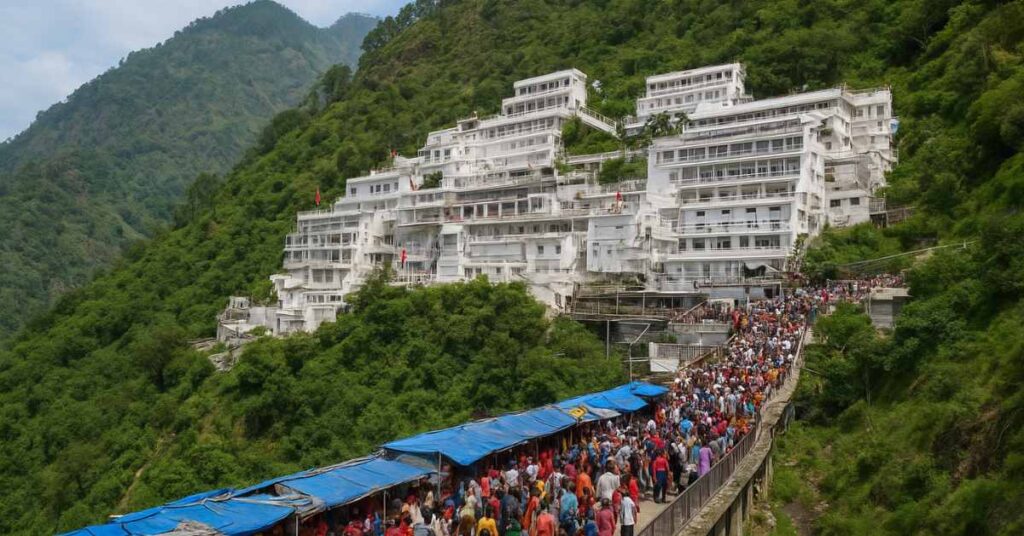
Mata Vaishno Devi Temple Discover the sacred trek, rituals, history, best time to visit and tips for the Mata Vaishno Devi Temple journey in Jammu & Kashmir.
Nestled in the tranquil folds of the Trikuta Mountains, the Mata Vaishno Devi Temple is one of the most revered Hindu pilgrimage sites in India. Devotees from across the country and abroad embark on the 12 km (approx.) trek from Katra to the shrine, seeking the blessing of the Goddess. This sacred journey—steeped in legend, devotion and natural beauty—offers not just a spiritual fulfilment but also a profound experience of faith in action. In this guide we explore the temple’s history, significance, practical travel tips, how to plan your visit and what makes this pilgrimage unique.
Key Information at a Glance
- Timings: to visit and tips for the Mata Vaishno Devi Temple journey in Jammu & Kashmi
- Location: Near Katra, Reasi district, Jammu & Kashmir, India
- Contact: of pilgrims to millions annually, the growth of this pilgrimage reflects both in
Quick Information
| Detail | Information |
|---|---|
| Location | Vaishno |
| Timings | See detailed timings below |
| Online Booking | Available (see guide) |
| Entry Fee | See pricing section |
| Best Time to Visit | Year-round (check festivals) |
Quick Facts
- Location: Near Katra, Reasi district, Jammu & Kashmir, India.
- Elevation: Approximately 5,200 ft above sea level.
- Deity: Maa Vaishno Devi (manifestation of the Divine Mother) – considered a Shakti Peetha.
- Annual Pilgrim Footfall: Millions visit each year; at one point over 8.5 million.
- Trek Distance: Roughly 12 – 13 km from base camp at Katra to the cave shrine.
- Management: The Shri Mata Vaishno Devi Shrine Board (established 1986) administers the pilgrimage infrastructure.
1. Why This Temple Holds Special Significance
Mythological Origins
According to tradition, Goddess Vaishno Devi incarnated to walk the path of penance and divine service, ultimately merging into the sacred cave in Trikuta Hills to bless devotees.
The cave houses three rock formations (pindis) representing Mahakali, Mahalakshmi, and Mahasaraswati—thus symbolising the different powers of the Divine Mother.
Shakti Peetha Status
This temple is considered one of the 108 important Shakti Peethas—sites where part of the body of Sati (the Divine Feminine) is said to have fallen.
Popularity & Devotion
From a modest number of pilgrims to millions annually, the growth of this pilgrimage reflects both infrastructure improvements and the deep faith associated with Devī.
2. How to Reach & Trek Route
- Base Camp: Town of Katra, Jammu & Kashmir. Train and road connectivity available.
- Trek Options:
- Walk the full path (~12–13 km) through the forested mountain track.
- Pony/palanquin services available for those with difficulty walking.
- Helicopter/battery car/ropeway services for segments of the route (conditions apply).
Suggested Trek Timeline
- Start early in the morning to avoid heavy crowds and heat.
- Wear comfortable walking shoes and carry light woollens—the higher altitude can be cooler.
- Carry identification, Yatra Slip/registration if required.
3. Best Time to Visit & Festival Highlights
- Ideal Seasons: March to October when weather is moderate.
- Peak Festivals:
- Navaratri (autumn) – high footfall, special aartis and festivities.
- Other occasions when devotees flock for vows or fulfilment of wishes (“Mukh Maangi Muradein Poori”).
Note on Weather & Safety
Heavy rains, landslides or storms can disrupt the route—always check local conditions.
4. Key Rituals & Things to Know
- Darshan: At the cave shrine of the Goddess, devotees view the three rock formations (pindis) inside the sanctum.
- Charan Paduka: A halt on the path with the imprint of the Goddess’s feet—one of the spiritual stops.
- Bhairon Temple: Around 2 km from the main cave; legend says Bhairon Nath was forgiven by the Goddess here.
5. Planning Your Yatra – Practical Tips
- Register in advance with the Shrine Board if required.
- Pick a weekday or off-peak time for a less crowded experience.
- Carry light snacks, water, and rain gear (especially during monsoon).
- Respect dress codes: modest clothing, and remove footwear at designated spots.
- Photography is restricted inside the cave shrine; check local rules.
- For elderly or differently-abled pilgrims: consider the pony/palanquin option or use the helicopter/battery car where available.
6. Nearby Attractions & Stay Options
- Stay in Katra or nearby Jammu for accessibility.
- Side trip: Ardh Kuwari cave, Bhairon Temple, nature trails around Trikuta range.
7. Why It’s Trending for Pilgrims & Spiritual Travelers
- Its high footfall and improved pilgrim amenities make it accessible yet deeply spiritual.
- With growing interest in “divine treks”, the journey is as meaningful as the destination.
- The blend of legend, awe-inspiring landscape and devotional aura gives this pilgrimage a strong SEO and interest appeal.
FAQs
Q1: Is the yatra open year-round?
Yes, the shrine is open throughout the year. However, weather/route disruptions may occur during heavy monsoon or snow in the region.
Q2: How long does the trek take?
Typically 4–6 hours one-way for regular walkers, depending on pace and stops. Pony/palanquin options reduce time.
Q3: Can non-Hindus visit?
Yes, people of all faiths visit; the trek and temple are open. Respect the sanctity and rules of the shrine.
Q4: Are there accommodation facilities?
Yes, in Katra and near the Bhawan there are rooms, dormitories, and retreat options managed by the Shrine Board.
Q5: What should I carry?
Comfortable walking shoes, light warm clothes (especially for early morning or winter), ID proof, water, small backpack, and enough stamina for the uphill route.Mata Vaishno Devi Temple
Embarking on the yatra to the Mata Vaishno Devi Temple is more than a visit—it’s a transformative journey of faith, nature and inner reflection. From the first step at Katra to the sacred cave shrine atop the Trikuta Hills, every moment is imbued with devotion. For seekers of spiritual depth as well as lovers of pilgrimage travel, this site offers a unique blend of legend, landscape, and divine connection. Plan well, tread thoughtfully, and allow the experience to leave a lasting imprint.
Usefull Links
- Kedarnath Temple – The Abode of Lord Shiva
- Badrinath Temple – Sacred Seat of Lord Vishnu
- Amarnath Cave Temple – The Icy Lingam of Faith
- Rameswaram Temple – Gateway to Moksha
- Kashi Vishwanath Temple – Spiritual Heart of Varanasi
- Official source for registration, aarti timings, accommodation booking, helicopter service, and yatra updates.
- Provides travel info, accommodation, and route updates for pilgrims.
- National tourism portal highlighting spiritual significance and visitor insights.
Author Box
Author: Gokshetra Blog Team
About: Writing spiritually-rich and meticulously researched content on Hindu temples and pilgrimage sites across India for Gokshetra.com.
Important Tips for Visitors
- Photography may be restricted inside the main sanctum. Check with temple authorities before clicking pictures.
- Remove footwear before entering the temple premises. Shoe storage is usually available near the entrance.
- Wear modest, traditional clothing — most temples require covered shoulders and knees.
- Visit during weekdays for shorter queues. Weekends and festival days see significantly higher footfall.
Official Resources

Go Kshetra covers 1,600+ Hindu temples across 28 states. Content sourced from official temple websites and first-hand visits. About our editorial process